How interface layouts in mobile blackjack environments shape adaptation of core rules when paired with tiered deposit options across different platforms
Parker Russell · Sep 25, 2026

How interface layouts in mobile blackjack environments shape adaptation of core rules when paired with tiered deposit options across different platforms
Mobile blackjack environments rely on interface layouts that directly influence how core rules undergo adaptation when developers pair them with tiered deposit options, and these adaptations vary across platforms because screen constraints, touch interactions, and funding structures create specific presentation requirements. Developers adjust rule displays such as hit, stand, split, and double-down buttons to fit smaller viewports while maintaining compliance with regulatory standards that govern game integrity. Platform differences emerge clearly when comparing native applications on iOS and Android against browser-based versions, since each operating system imposes distinct rendering rules that affect button placement and information hierarchy. Research from the Alcohol and Gaming Commission of Ontario indicates that mobile table game interfaces processed over 45 million sessions in the first half of 2026, with blackjack accounting for a substantial share of those interactions. Tiered deposit systems add another layer because higher deposit brackets often unlock modified rule sets, such as reduced house edges or additional splitting options, and the interface must communicate these changes without cluttering the limited display area.Interface Elements That Drive Rule Adjustments
Button sizing and positioning represent primary factors in rule adaptation, as larger touch targets improve accuracy during rapid decisions yet reduce space available for displaying rule variations tied to deposit tiers. Observers note that swipe gestures sometimes replace traditional taps for actions like hitting or standing, which requires programmers to rewrite rule logic so that gesture-based commands align with the same payout structures offered at different deposit levels. Data from the Nevada Gaming Control Board shows mobile blackjack revenue reached $87 million during September 2026, highlighting how these technical choices scale across regulated markets.
Information panels that expand on rule modifications must remain accessible yet non-intrusive, because players who select lower deposit tiers receive standard rules while higher tiers access enhanced variants. The layout therefore incorporates collapsible menus or tabbed sections that reveal tier-specific adjustments only when relevant funding thresholds are met, preventing confusion during gameplay.
Cross-Platform Variations in Deposit Integration
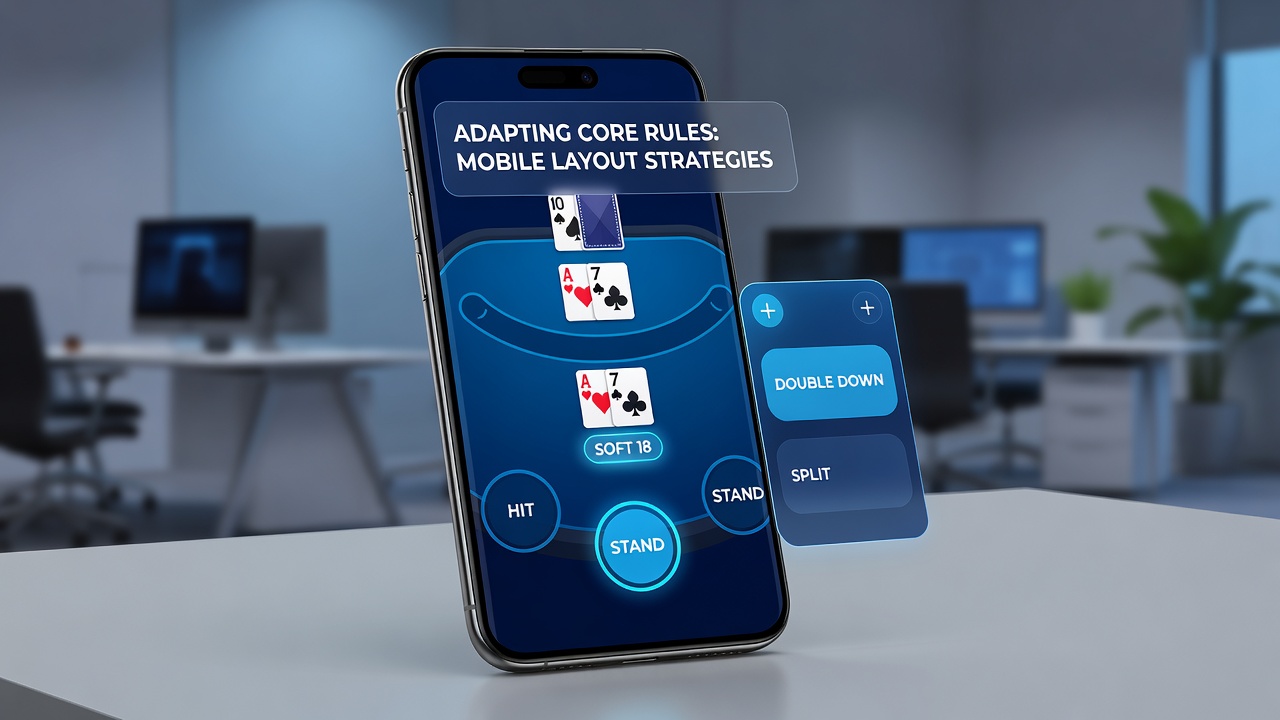
Different platforms handle deposit tier visibility through unique interface patterns that shape rule presentation, with some applications displaying eligibility banners directly above the betting area while others embed the information within account menus. Android environments frequently utilize persistent side panels for tier status because their navigation conventions support such layouts more readily than iOS designs, which favor bottom-sheet modals. These structural choices force rule adaptations to appear in contextually appropriate locations so players understand which blackjack variants apply after completing a deposit at a particular tier.
Payment processing speed further interacts with interface design, since instant deposits at premium tiers unlock immediate access to modified rules while standard tiers require additional confirmation steps. Programmers therefore build conditional rendering logic that updates the blackjack table display in real time once the system verifies the deposit amount and associated rule package.
Regulatory and Technical Considerations Across Jurisdictions
Regulatory frameworks in multiple regions require clear disclosure of rule changes linked to deposit tiers, and interface layouts must accommodate these mandates without overwhelming mobile users. Australian regulatory reports from 2026 documented that 62 percent of mobile blackjack sessions involved at least one tiered deposit interaction, prompting developers to standardize visual cues such as color-coded borders around rule indicators. European markets impose similar transparency rules, leading platforms to adopt consistent iconography that signals rule availability across different funding brackets while preserving core blackjack mechanics like card counting restrictions where applicable.
Testing protocols across platforms reveal that adaptive layouts reduce rule misinterpretation rates when deposit tiers trigger automatic adjustments, because dynamic resizing maintains legibility regardless of device orientation. Developers conduct A/B testing on button arrangements and rule panel placements to confirm that players at every deposit level encounter identical decision pathways even as the underlying rule parameters shift.
Conclusion
Interface layouts in mobile blackjack environments continue to determine how core rules adapt when paired with tiered deposit options because platform-specific constraints and funding structures dictate the visual and functional integration of these elements. Data from regulatory bodies across North America and Australia demonstrate measurable impacts on session volume and rule comprehension during September 2026, underscoring the technical interdependence between design choices and game mechanics. Future platform updates will likely refine these interactions further as deposit tier systems and mobile interfaces evolve in tandem.